History-Politics
Past eras

From pre-history to today
Choose your period

Poltics in English History
explore the different eras
Past eras
Choose your period
explore the different eras
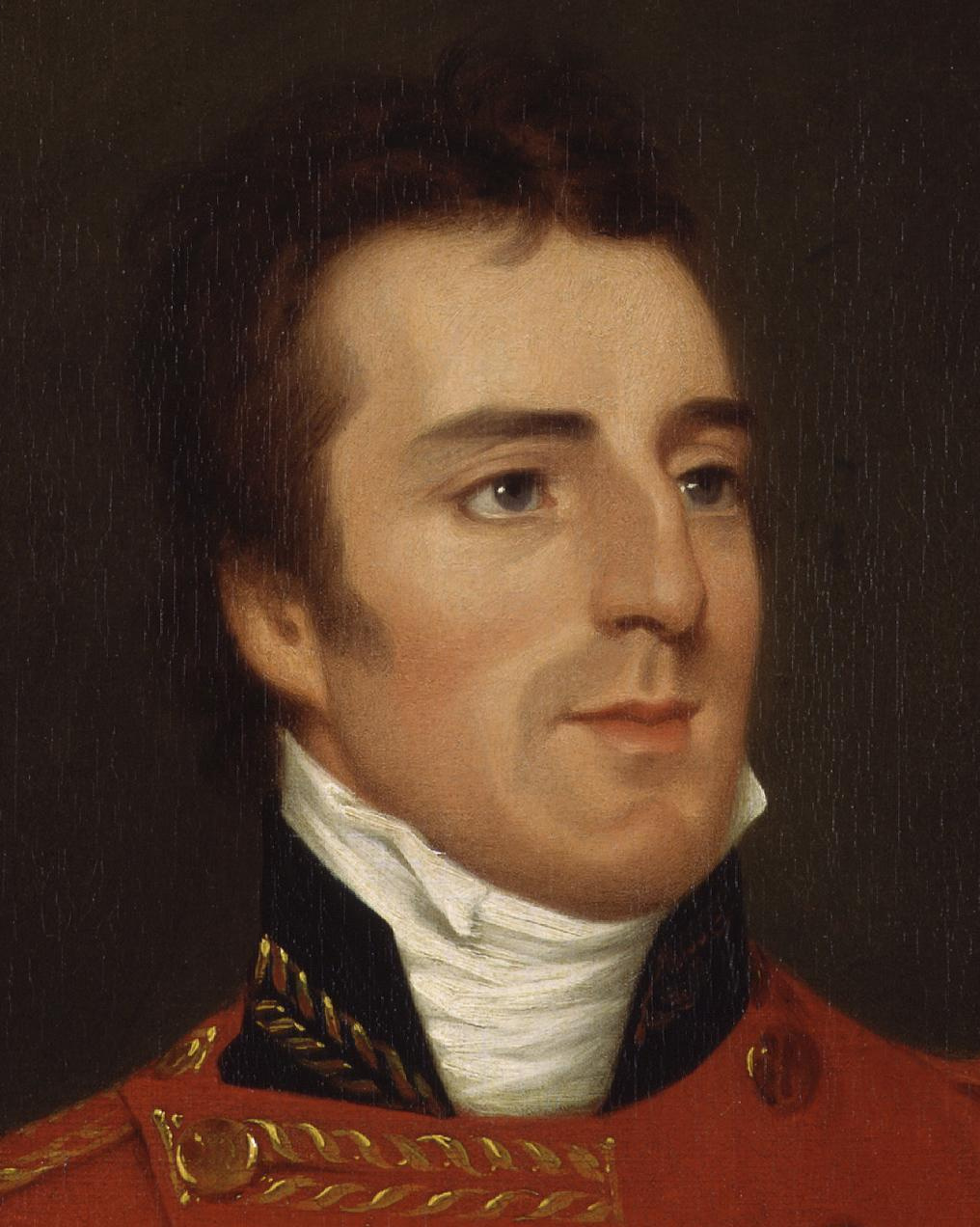
The Duke of Wellington, born Arthur Wellesley, was a prominent British soldier and statesman who played a significant role in British and European history. He was one of the most celebrated military commanders of his time and served as the Prime Minister of the United Kingdom. Wellington's legacy is defined by his military victories, his statesmanship, and his contribution to the shaping of British politics.
Wellington was born on May 1, 1769, in Dublin, Ireland. He was the ninth child of Garret Wesley, who was an Anglo-Irish aristocrat, and his wife Anne Hill. He was educated at Eton College and later joined the British Army, where he served in various campaigns throughout Europe and India.
Wellington is best known for his military career and his military victories, particularly during the Peninsular War in Spain and Portugal, where he defeated the French under Napoleon Bonaparte. He also played a crucial role in the Battle of Waterloo, which marked the final defeat of Napoleon and the end of the Napoleonic Wars.
After his military career, Wellington turned to politics and was first elected to the House of Commons in 1806. He served in various government positions, including as the Chief Secretary for Ireland, before becoming Prime Minister in 1828. As Prime Minister, Wellington faced several significant challenges and events, including Catholic Emancipation, economic difficulties, international relations, and political challenges.
In addition to his military and political achievements, Wellington was also known for his statesmanship and his contributions to British politics. He was a staunch conservative and believed in the importance of maintaining the status quo and preserving the established social order. He was a strong supporter of the monarchy and worked to maintain the balance of power in Europe after the defeat of Napoleon.
Wellington's legacy continues to shape British politics and military strategy today. He is remembered as one of Britain's greatest military commanders and as a statesman who played a crucial role in shaping British politics during a period of significant change and upheaval. His support for Catholic Emancipation and religious tolerance was particularly significant and helped to shape British politics for years to come.
In conclusion, the Duke of Wellington was a prominent figure in British and European history. His military victories, statesmanship, and contribution to British politics made him one of the most celebrated and admired figures of his time. His legacy continues to be remembered and celebrated today, and he remains a symbol of British military prowess and political leadership.
Arthur Wellesley, also known as the Duke of Wellington, was a British soldier and statesman who served as the Prime Minister of the United Kingdom from 1828 to 1830. He was a prominent figure in British politics and played a crucial role in several significant events in British and European history.
Wellesley was born on May 1, 1769, in Dublin, Ireland. He was educated at Eton College and later joined the British Army, where he served in various campaigns throughout Europe and India. He was known for his military leadership and tactics, particularly during the Peninsular War in Spain and Portugal, where he defeated the French under Napoleon Bonaparte.
After his military career, Wellesley turned to politics and was first elected to the House of Commons in 1806. He served in various government positions, including as the Chief Secretary for Ireland, before becoming Prime Minister in 1828.
As Prime Minister, Wellesley faced several significant challenges and events, including:
Catholic Emancipation: One of the most significant events of Wellesley's tenure as Prime Minister was the passage of the Catholic Relief Act in 1829. This act granted Roman Catholics in the United Kingdom the right to vote and hold public office, and it was a significant step towards religious equality and tolerance. Wellesley supported the act and played a crucial role in securing its passage, despite facing significant opposition from some members of his own party.
Economic difficulties: Wellesley's government inherited an economy that was struggling with high unemployment and a trade deficit. To address these challenges, the government introduced several measures, including tariff reforms and increased government spending on public works projects. These measures were aimed at stimulating economic growth and reducing the budget deficit.
International relations: Wellesley's government played a crucial role in shaping Britain's foreign policy during a period of significant upheaval in Europe. The government supported the conservative forces that were seeking to restore the balance of power after the defeat of Napoleon, and it worked to maintain Britain's alliances with other European powers. Wellesley also supported the Greek War of Independence and recognized the new Greek state in 1832.
Political challenges: Wellesley's government faced several political challenges during his time in office, including opposition from members of his own party and from the growing reform movement. The government was criticized for its response to the Swing Riots, a series of protests and riots by agricultural workers over poor wages and working conditions.
Wellesley's tenure as Prime Minister was relatively brief, and he resigned in 1830 due to political pressures and health problems. However, his legacy as a military leader and statesman is significant, and he played a crucial role in shaping British politics and international affairs during a period of significant change and upheaval. His support for Catholic Emancipation and religious tolerance was particularly significant and helped to shape British politics for years to come.
If you have a suggestion regarding additional topics you would like to see included - please let us know
Reference: Article by Greg Scott (Staff Historian), 2024